In the glamorous world of fashion, few names shine as brightly as Dior, especially during the fabulous 1950s. This era marked a revolution in haute couture, where elegance met audacity. Picture it: the post-war optimism, women stepping out in voluminous skirts and cinched waists, feeling like queens. Dior didn’t just dress them; he transformed them into icons, one exquisite stitch at a time.
Overview of Haute Couture Dior 1950s
Haute couture in the 1950s showcased the artistry of Dior, a pivotal force in this era. Fashion underwent a dramatic transformation post-World War II, with women seeking styles that reflected newfound freedom and optimism. Dior’s collections emphasized femininity through voluminous skirts and nipped waists, establishing the iconic ‘New Look’ that revolutionized women’s wardrobes.
Dior’s creations often featured luxurious fabrics and intricate embellishments, setting a new standard in haute couture. Notably, motifs included elegant floral patterns and bold colors, which became synonymous with Dior’s aesthetic. Each collection introduced innovative silhouettes that embraced the female form, allowing women to express their individuality.
Fashion houses thrived as Dior consistently pushed boundaries. His designs not only dictated trends but also influenced a global fashion landscape. Consolidating artistry and elegance, he inspired rival designers to explore their creativity. The 1950s marked a renaissance for haute couture, with Dior at the forefront, promoting a return to glamour and sophistication.
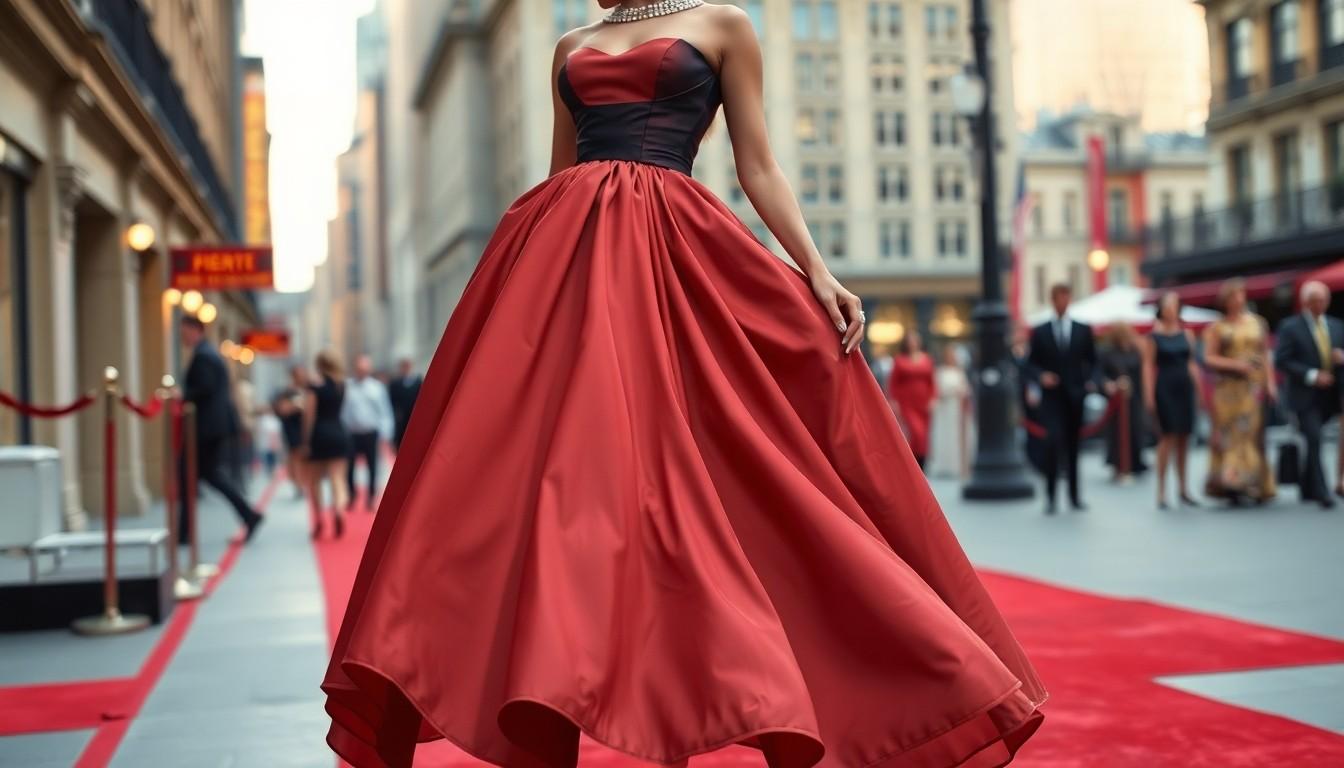
Season after season, the collections resonated with women worldwide, making them feel sophisticated and empowered. Dior’s influence extended beyond the runway, impacting emerging designers and setting benchmarks in craftsmanship. Glamorous red carpet appearances highlighted the allure of haute couture, further solidifying Dior’s legacy.
Iconic figures, including film stars and socialites, adorned their wardrobes with Dior’s creations. The appeal of his designs transcended mere clothing, representing a cultural shift in women’s fashion. Through imagination, innovation, and skill, haute couture Dior defined the 1950s, leaving an indelible mark on the fashion industry.
Key Designers and Influences

Dior’s haute couture in the 1950s emerged from distinct visions and prevailing societal influences. These elements shaped the defining characteristics of his collections.
Christian Dior’s Vision
Dior’s designs embodied femininity and elegance. He introduced the iconic ‘New Look’ in 1947, featuring flared skirts and fitted bodices. Each piece celebrated the female form, promoting a curvier silhouette that contrasted with wartime austerity. His artistry focused on luxurious fabrics, intricate embellishments, and innovative tailoring. The blend of classic styles with modern techniques captured attention and admiration. Dior emphasized craftsmanship, setting new standards in haute couture. His unique vision inspired not only his clients but also a generation of fashion designers.
The Impact of Post-War Fashion
Post-war optimism fueled a dramatic shift in women’s fashion. Women sought to express newfound autonomy through clothing, and Dior’s collections reflected this desire. Societal expectations transformed, encouraging bold, luxurious styles instead of the practicality of wartime fashion. The 1950s became synonymous with glamour and sophistication, driven by Dior’s influence. Collections resonated with women seeking empowerment and sophistication, aiding personal expression. Rivals began to adopt similar aesthetics, broadening the impact of the era’s fashion trends. This shift fostered a vibrant landscape of creativity that left an indelible mark on haute couture.
Iconic Collections and Designs
Dior’s haute couture in the 1950s exemplified elegance, craftsmanship, and innovation. The collections from this era showcased a remarkable evolution in women’s fashion.
The New Look: A Revolution in Fashion
The New Look debuted in 1947, but its influence pervaded the 1950s. This signature style featured a narrow waist and voluminous skirts, redefining silhouettes. Women relished the opportunity to express femininity, embodying post-war optimism. Chic, fitted bodices paired with luxurious fabrics elevated everyday wear into art. The New Look quickly became a global phenomenon, with designers and consumers alike adopting its aesthetic. Critics lauded the refreshing departure from wartime austerity, marking a significant shift in cultural attitudes towards femininity and glamour.
Signature Pieces of the 1950s
Dior’s 1950s collections featured several iconic designs. The Bar Suit stands out, characterized by its tailored jacket and full skirt. This piece exemplified the marriage of elegance and practicality. The A-line dress also emerged, offering versatility and fluidity while flattering various body types. Floral prints and rich textiles defined many looks, enhancing the visual impact. Evening gowns adorned with intricate beadwork showcased meticulous attention to detail. Each dress transformed the wearer into a fashion statement, solidifying Dior’s supremacy in haute couture during this transformative decade.
Cultural and Social Influence
Dior’s contributions to the fashion world in the 1950s extended beyond clothing. His designs influenced cultural perceptions and societal norms during this transformative era.
Haute Couture in Popular Culture
Fashion moved into the public eye during the 1950s, thanks in large part to Dior. Film stars and celebrities adorned themselves in Dior’s creations, with garments becoming synonymous with glamour. Iconic actresses like Audrey Hepburn and Grace Kelly frequently wore his outfits, further establishing haute couture’s place in popular culture. Fashion magazines also embraced Dior, featuring his designs prominently and igniting public interest and desire. This cultural phenomenon solidified the link between haute couture and celebrity, shaping consumer expectations for luxury fashion.
The Role of Women in 1950s Fashion
Women emerged as central figures in fashion during the 1950s, with Dior’s designs empowering their self-expression. The “New Look” revolutionized how women viewed their bodies, embracing curves and femininity. Many women began to adopt fashion as a means of asserting their identities in a post-war society. Tailored silhouettes and luxurious fabrics transformed everyday attire into statements of elegance. Additionally, through Dior’s artistry, women felt emboldened to embrace both traditional and modern styles, signaling a shift in cultural norms and expectations surrounding femininity. The result was a vibrant fashion landscape that invited women to explore their individuality.
Dior’s influence in the 1950s reshaped the fashion landscape in profound ways. His designs not only celebrated femininity but also empowered women to embrace their identities. The era marked a significant cultural shift where luxury and individuality thrived through fashion.
The legacy of Dior’s haute couture continues to resonate today, inspiring designers and fashion enthusiasts alike. Each piece from this transformative decade remains a testament to the artistry and craftsmanship that defined an era. As women stepped into the spotlight, Dior’s creations played a pivotal role in their journey toward self-expression and empowerment.